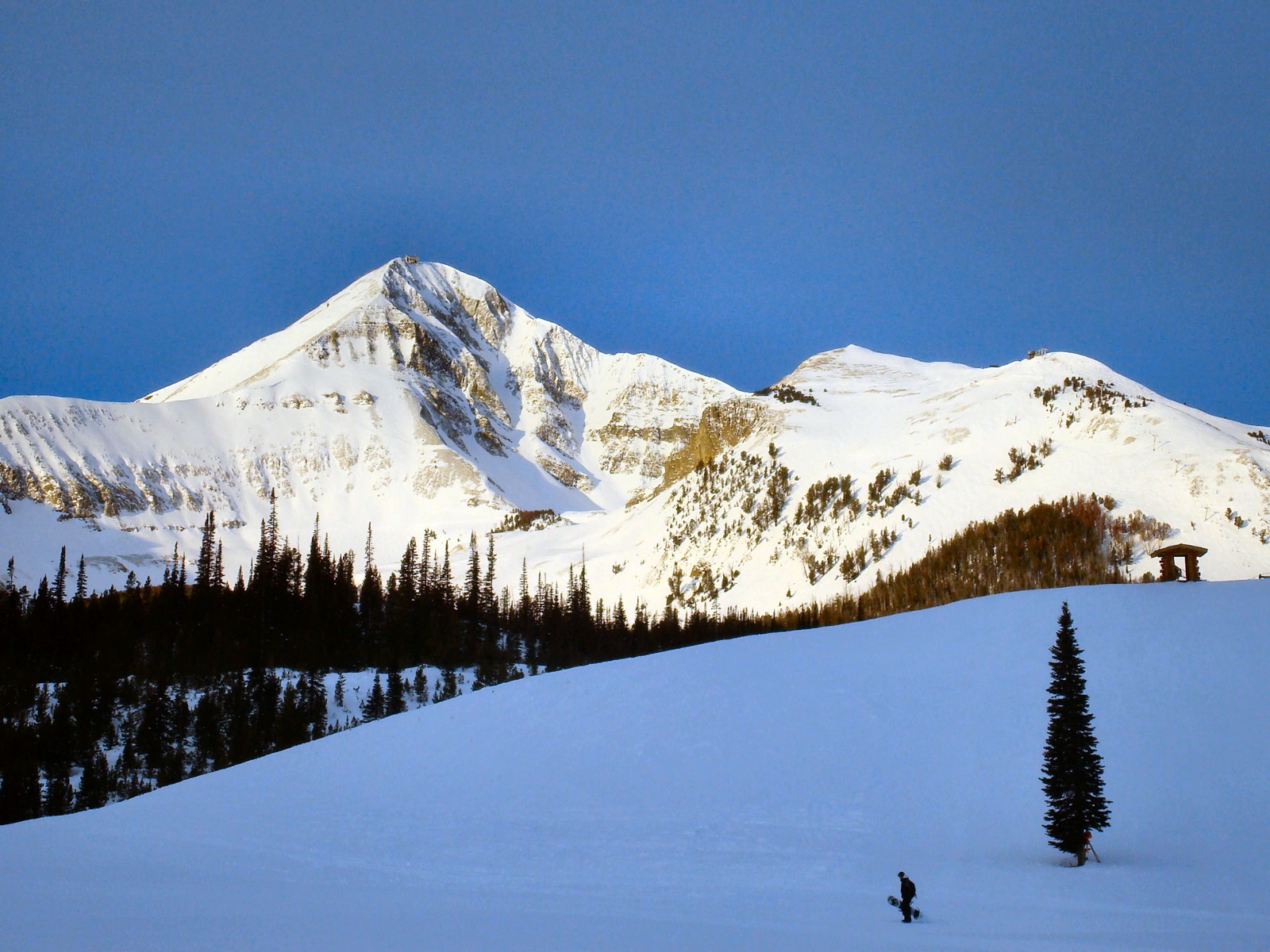
Big Sky sprawls across 5,850 acres beneath the dramatic pyramid of Lone Peak, marketing 'the Biggest Skiing in America' with real justification. The new Lone Peak Tram (included with all 2025-26 tickets) accesses genuinely extreme couloirs off the 11,166-foot summit, while lower mountains like Andesite serve miles of cruisers, and the acreage-to-visitor ratio keeps lift lines famously short.
Terrain Breakdown
Mountain Stats
Highlights
Pros
- ✓Massive, varied terrain that skis empty compared to Colorado peers
- ✓True expert summit terrain plus huge intermediate acreage below
- ✓Top-tier lift infrastructure with heated bubble chairs
- ✓4,350+ feet of vertical drop from Lone Peak
- ✓Reliable 400-inch snowfall with cold, dry Montana snow
Cons
- ✗Remote location with limited and pricey flights into Bozeman
- ✗Bitter cold snaps in December and January
- ✗Terrain sprawl means long traverses between zones
Skier Insightssummarized from Reddit and ski forums
Big Sky's 'Biggest Skiing in America' tagline holds up where it counts: the sensation of space. Skier forums keep circling the same observation — terrain that would draw an hour's line in Colorado sits empty here on a Tuesday, and even Christmas week distributes across nearly 6,000 acres until it disappears. Looming over all of it is Lone Peak, a real 11,166-foot summit with tram access to couloirs and snowfields that read more Chamonix than corporate mega-resort.
In practice the mountain splits into two resorts that share a base. Up high, the tram and Headwaters serve expert-to-extreme terrain — Big Couloir requires a patrol sign-out with beacon and partner, and the North Summit Snowfield backs it up — while wind and cold decide how often any of it opens. Below, Andesite and the lower flanks run miles of rolling, immaculately groomed cruisers under some of the best lifts in the country, heated seats included. Snow arrives colder and drier than Colorado's and keeps for days; the price is genuine December cold snaps and enough acreage sprawl that a day plan matters. The tram-access wrinkle draws steady community grumbling: it's included with regular lift tickets, but Ikon visitors pay $10-40 per ride through Autocharge.
It's best for confident skiers who want big-mountain consequence without big-resort crowds, and for intermediates traveling with them, who may honestly have the better week. Cost is the honest con — tickets, lodging, and dinner all price at the top of the market, with the Meadow Village and Bozeman commute as the value plays. On a seven-day full-Ikon allotment it makes a superb destination week; compared to Jackson Hole it trades a bit of steep-culture cachet for shorter lines, better lifts, and colder snow.
What skiers like
- +The acreage-to-skier math is the whole pitch — 5,850 acres soak up even holiday visitation, and midweek you can lap serious terrain effectively alone
- +The Lone Peak Tram summit at 11,166 feet is a genuine alpine experience: 360-degree views across three states and fall-away lines in every direction
- +Big Couloir runs on a sign-out system — patrol check-in, beacon, and a partner — which keeps it uncrowded and makes ticking it feel earned
- +The lift fleet has a real claim to best in North America: Ramcharger 8's heated bubble seats, Swift Current 6, and the new tram moved the whole mountain's plumbing upmarket
- +Cold, dry Montana snow preserves beautifully — steeps stay chalky and edgeable a week after the last storm instead of turning to coral
- +Andesite and the lower mountains hide a superb intermediate resort inside the extreme one — long, empty cruisers with zero exposure
- +Bozeman airport is an hour away with an expanding direct-flight map, easier than most destination resorts of this caliber
- +The Headwaters and North Summit Snowfield offer legitimately extreme inbounds lines that most US resorts would rope off permanently
Common complaints
- −Ikon and Mountain Collective passholders pay a per-ride tram surcharge ($10-40, billed via Autocharge) — only lift-ticket buyers and top-tier Big Sky passes ride free, and the community finds the two-tier system grating
- −December-January cold snaps are no joke — minus-20 mornings happen, and the tram exposure multiplies it
- −The sprawl cuts both ways: crossing from Shedhorn to Challenger territory burns real time on traverses and connector lifts
- −Dynamic day-ticket pricing runs $250-300+ in peak windows — among the priciest walk-up tickets anywhere
- −Ikon access is capped at seven days (five with blackouts on Base) — this is not an unlimited Ikon home mountain
- −Big Sky town is expensive and scattered — the Meadow Village value lodging sits 15 minutes from the lifts, and budget dining options are thin
- −Wind scours the upper mountain and shuts the tram more often than the brochure implies; summit terrain can be closed for days
- −The luxury build-out (Montage, One&Only, private clubs) keeps nudging prices up and sanding off the scrappy Montana character old-timers loved
Common Questions
Is the Lone Peak Tram free with an Ikon Pass?
What do I need to ski Big Couloir?
How many days do I get on the Ikon Pass?
When is the best time to ski Big Sky?
Is Big Sky good for intermediates, or is it all extreme terrain?
How does Big Sky compare to Jackson Hole?
Photo: Dennis Matheson / Wikimedia Commons (CC BY-SA 2.0)
← Back to All Resorts