North America
Whistler Blackcomb
For 2026-27, Whistler Blackcomb is on the Epic Pass (unlimited). Lifts run from 2,214 ft (675 m) to 7,494 ft (2,284 m), a vertical drop of 5,280 ft (1,609 m) across 8,171 acres, with about 422 inches of snow a year.
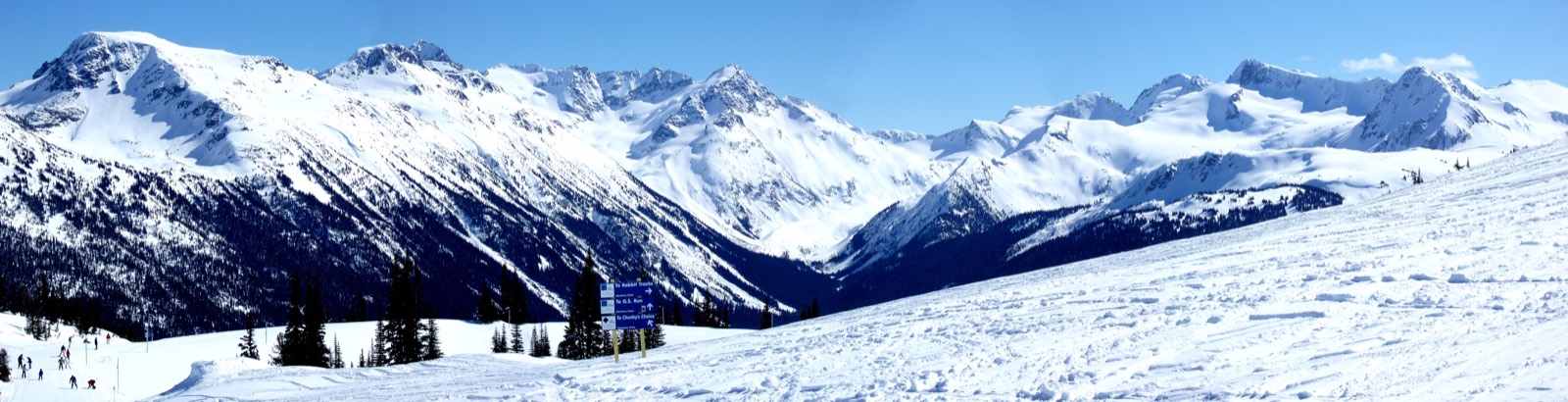
Whistler Blackcomb is the largest ski resort in North America, spanning two massive side-by-side mountains connected by the record-setting PEAK 2 PEAK Gondola. It delivers over 8,000 acres of terrain including 16 alpine bowls and three glaciers, with a vibrant pedestrian village at its base and a 5,280-foot vertical drop.
Ski passes at Whistler Blackcomb, 2026-27
| Pass | Access | Details |
|---|---|---|
| Epic Pass | Unlimited | The full Epic Pass is unlimited at Whistler Blackcomb with no blackouts. The Epic Local Pass gives 10 days in total, shared with Vail and Beaver Creek, and none on the holiday dates (Nov 27-28, Dec 26-31, 2026; Jan 16 and Feb 13-14, 2027). Canadian buyers can also get a Whistler Blackcomb Day Pass (the Epic Day Pass for Whistler), from about CAD $97 a day on multi-day packs; like Epic Passes, it is sold only until early December. |
Not on the Ikon Pass, Mountain Collective or Indy Pass this season.
Whistler Blackcomb was on the Mountain Collective in the mid-2010s. After Vail Resorts bought it in 2016 it moved to the Epic Pass and left the Collective. It has never been on Ikon.
Whistler Blackcomb's season pass is the Epic Pass, sold in CAD (onthesnow lists CAD $1,548 adult for 2026-27). The Whistler Blackcomb Day Pass is a prepaid pack of 1-10 days for the season, and gets cheaper per day the more days you buy.
Lift ticket prices
Peak walk-up adult day ticket, 2025-26: C$305 (about $220); online in advance from around C$154. Prices are dynamic; buying 4+ weeks ahead saves around 30% on average under Vail Resorts' advance-purchase pricing, and prepaid Whistler Blackcomb Day Passes are cheaper still.
Terrain Breakdown
Whistler Blackcomb elevation, altitude and mountain stats
Peaks and base areas
| Peak | Blackcomb Peak (top of Glacier / Showcase T-bar) — Highest lift-served point on either mountain; the true Blackcomb summit is higher at about 8,019 ft (2,444 m). | 7,494 ft (2,284 m) |
| Peak | Whistler Peak — Lift-served by the Peak Express chair. | 7,160 ft (2,182 m) |
| Peak | Horstman Glacier (Blackcomb) — Summer glacier skiing area. | 7,400 ft (2,256 m) |
| Base | Whistler Village | 2,214 ft (675 m) |
Highlights
Pros
- ✓Enormous, endlessly varied terrain across two full mountains
- ✓Huge vertical and long top-to-bottom runs like Peak to Creek
- ✓Heavy coastal snowfall averaging well over 450 inches
- ✓World-class car-free village with extensive dining and lodging
- ✓Excellent above-treeline bowls plus extensive tree and glade skiing
Cons
- ✗Coastal climate brings frequent rain and heavy/wet snow at lower elevations
- ✗Very crowded, with notoriously long lift lines on peak days
- ✗Expensive lodging, food, and walk-up tickets in a pricey resort town
Quick answers
Is Whistler Blackcomb on the Epic Pass?
Yes. For the 2026-27 season the Epic Pass includes unlimited days at Whistler Blackcomb. The full Epic Pass is unlimited at Whistler Blackcomb with no blackouts. The Epic Local Pass gives 10 days in total, shared with Vail and Beaver Creek, and none on the holiday dates (Nov 27-28, Dec 26-31, 2026; Jan 16 and Feb 13-14, 2027). Canadian buyers can also get a Whistler Blackcomb Day Pass (the Epic Day Pass for Whistler), from about CAD $97 a day on multi-day packs; like Epic Passes, it is sold only until early December.
Is Whistler Blackcomb on the Ikon Pass?
No. Whistler Blackcomb is not on the Ikon Pass for 2026-27. It is on the Epic Pass (unlimited) instead. Whistler Blackcomb was on the Mountain Collective in the mid-2010s. After Vail Resorts bought it in 2016 it moved to the Epic Pass and left the Collective. It has never been on Ikon.
What is the elevation of Whistler Blackcomb?
Whistler Blackcomb sits at an altitude of 2,214 ft (675 m) at the base and 7,494 ft (2,284 m) above sea level at the top of the lifts, for 5,280 ft (1,609 m) of vertical drop. Named peaks and lift tops: Blackcomb Peak (top of Glacier / Showcase T-bar) at 7,494 ft (2,284 m), Whistler Peak at 7,160 ft (2,182 m) and Horstman Glacier (Blackcomb) at 7,400 ft (2,256 m).
How big is Whistler Blackcomb?
Whistler Blackcomb has 8,171 acres, 36 lifts and 200 runs.
How much snow does Whistler Blackcomb get?
About 422 inches (1,072 cm) a year on average, as reported by the resort.
How much is a lift ticket at Whistler Blackcomb?
A walk-up adult day ticket peaks at C$305 (about $220) for the 2025-26 season. Buying online ahead, adult tickets have started around C$154. Prices are dynamic; buying 4+ weeks ahead saves around 30% on average under Vail Resorts' advance-purchase pricing, and prepaid Whistler Blackcomb Day Passes are cheaper still.
When does Whistler Blackcomb open for the season?
Scheduled for 2026-27: opening November 20, 2026, closing Whistler Mountain typically mid/late April; Blackcomb usually stays open to late May (not yet announced). Dates move with snowfall, so check the resort before booking.
What is the difference between Whistler and Blackcomb?
They are two separate mountains run as one resort on one ticket, joined at mid-mountain by the PEAK 2 PEAK Gondola and both rising from Whistler Village. Blackcomb is higher (lifts reach 7,494 ft / 2,284 m) and has the glaciers. Whistler Mountain (7,160 ft / 2,182 m) has more of the alpine bowls.
Where is Whistler Blackcomb? Is it in Washington?
It is in Whistler, British Columbia, Canada, about 2 hours north of Vancouver on the Sea-to-Sky Highway (Highway 99). It is not in Washington state; the nearest US border crossing is south of Vancouver.
How high is Whistler Village?
Whistler Village, the main base, sits at about 675 m (2,214 ft) above sea level. That is unusually low for a big ski resort, so the bottom of the mountain can see rain while the alpine gets snow.
Skier Insightssummarized from Reddit trip reports and ski forum reviews
Whistler Blackcomb is the consensus 'biggest and best overall' resort in North America, and simultaneously the one skiers most love to grumble about — the skier shorthand is that Whistler on the right day beats anywhere, and Whistler on the wrong day is a wet, foggy queue. Two enormous mountains linked by the Peak 2 Peak gondola give it a scale nothing on the continent matches: 16 alpine bowls, three glaciers, a mile of vertical, and a car-free village that's genuinely fun rather than a mall with condos. The 2010 Olympic infrastructure and years of lift investment (the Fitzsimmons 8-seater and Jersey Cream six-pack most recently) mean it swallows enormous crowds — most of the time.
The skiing revolves around elevation and weather. The alpine — Harmony, Symphony, 7th Heaven, the Blackcomb Glacier — is the prize, holding cold snow and wide-open lines, but it opens on avalanche control's schedule and closes to wind and fog with regularity; the locals' rule is to sprint to the alpine when it opens and bank the laps. Mid-mountain is a vast blue-cruiser and tree-run engine where intermediates could spend a month. The valley is the weak point: warm storms rain there while it's puking snow up top, so regulars watch the freezing level like a stock ticker and download from mid-station without shame. Crowd craft matters more here than anywhere: start at Creekside instead of the village, use singles lines, ski through lunch, and weekday mornings still feel uncrowded.
This is the destination trip for skiers who want maximum mountain — strong intermediates arguably get more here than anywhere on the continent, and experts have a career's worth of gated terrain. It's unlimited on the full Epic Pass (Epic Local gets 10 combined Vail/Beaver Creek/Whistler days with blackouts), and for Americans the Canadian dollar takes real sting out of lodging and food. Best months: February and March for snowpack with improving odds of sun; January for storms if you'll gamble on freezing levels; April for a giant spring-skiing party. Versus Vail, the usual verdict is that Whistler wins on terrain, vertical, and village, while Vail wins on sunshine and snow that falls reliably as snow.
What skiers like
- +Nothing else in North America skis this big — 8,171 acres across two full mountains, and a week isn't enough to exhaust the alpine bowls alone
- +The 5,280-foot vertical is real and usable: Peak to Creek runs over 5,000 continuous feet and leaves your legs shaking at the bottom
- +Blackcomb Glacier and the Spanky's Ladder gates open genuinely serious alpine terrain — four bowls of it — for a short bootpack
- +Coastal storms stack up 450-plus inches a year, and when the freezing level cooperates the alpine goes as deep as anywhere on the continent
- +Symphony and Harmony zones give strong intermediates above-treeline bowl skiing they'd need a guide for in Europe
- +The Fitzsimmons 8-pack and Jersey Cream 6-pack upgrades (2023) noticeably shortened two of the worst historical chokepoints
- +Whistler Village is the best resort base in North America — car-free, walkable, with après (Longhorn, GLC) and dining depth no US resort village touches
- +For Americans, the exchange rate quietly discounts everything 25-30% versus equivalent US destination resorts
Common complaints
- −The crowds are the defining complaint: 25,000-plus skiers on peak days, village gondola queues of 30-45 minutes, and Epic Pass volume that regulars say permanently changed the mountain
- −Rain is a genuine risk — warm Pacific storms push the freezing level above the village and sometimes above mid-mountain, and a January thaw can rain to 6,000 feet
- −Valley-level snow in early season and warm spells turns the bottom third into ice, slush, or dirt — 'download from mid-station' is a normal end to a day
- −Alpine terrain opens late and closes often: avalanche control after storms can keep the bowls shut until midday, and Peak Chair wind holds are chronic
- −Fog and flat light in the alpine are brutal — the Harmony/Symphony zones become unskiable in whiteout, and it happens a lot
- −Lodging and food pricing has gone full destination-resort, and February half-term brings a wave of international visitors that fills everything
- −Sea-to-Sky highway traffic from Vancouver on weekend mornings echoes I-70, complete with accident closures
- −Epic Local's 10-day Whistler allocation with holiday blackouts trips up planners who assume unlimited access
Common Questions
Should I worry about rain?
How do I beat the crowds?
Is Whistler good for intermediates or too much mountain?
Whistler or Vail for a destination week?
When is the best time of season to visit?
Pass and ticket details checked 2026-09-30. Sources: whistlerblackcomb.com, onthesnow.com, news.vailresorts.com, thepointsguy.com, undercovertourist.com, news.vailresorts.com
Photo: Wikimedia Commons
← Back to All Resorts