Europe
St. Anton am Arlberg
For 2026-27, St. Anton am Arlberg is on the Epic Pass (3 consecutive days, lodging required). Lifts run from 4,278 ft (1,304 m) to 9,222 ft (2,811 m), a vertical drop of 4,944 ft (1,507 m) across 300 km pistes.
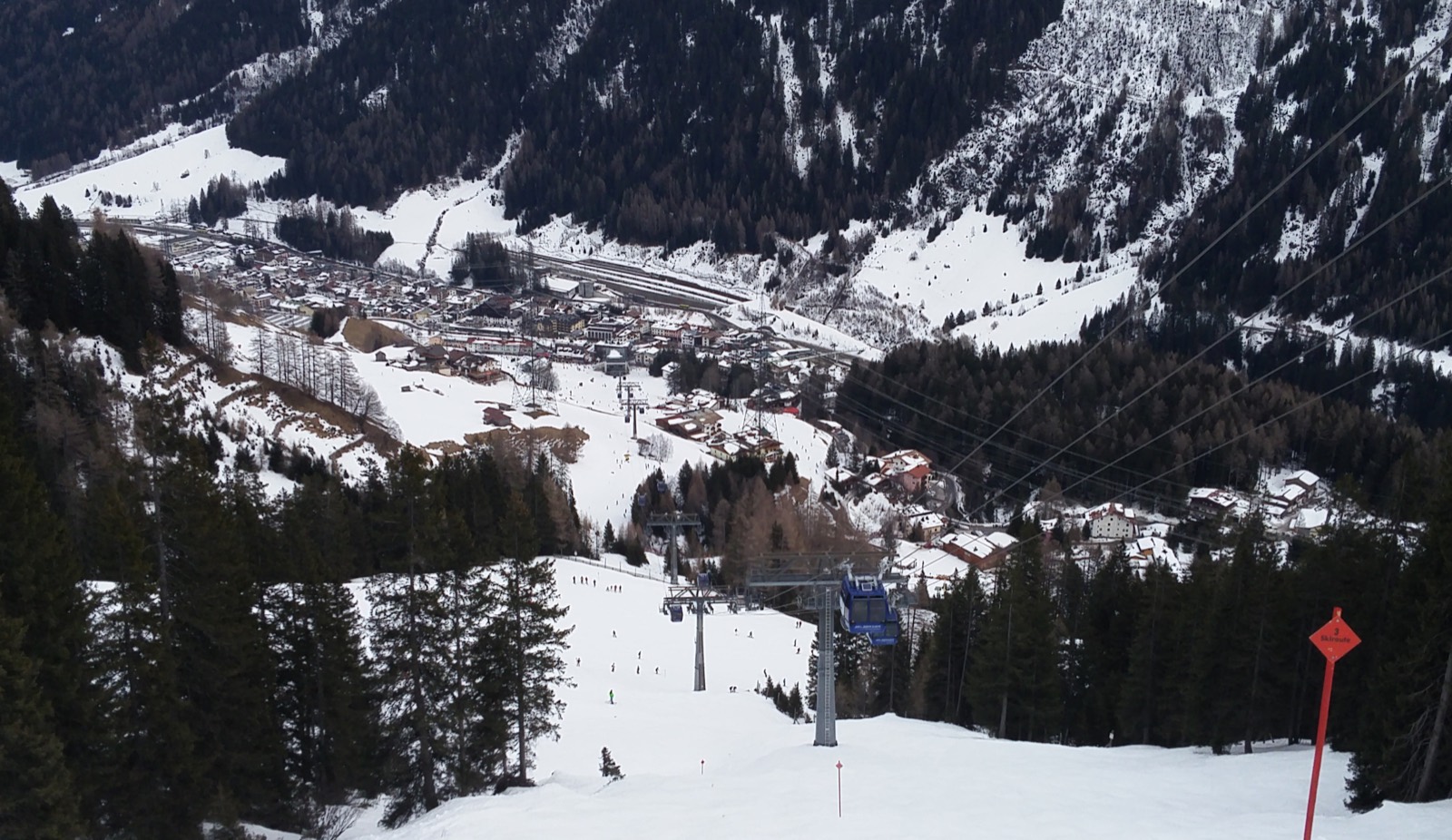
St. Anton am Arlberg anchors the Ski Arlberg domain, Austria's largest interconnected ski area, linking St. Anton, St. Christoph, Stuben, Lech, Zürs, Warth and Schröcken across roughly 300km of pistes. It's celebrated for legendary off-piste and freeride terrain, heavy snowfall and an intense après-ski scene, with the Valluga offering dramatic high-alpine descents.
Ski passes at St. Anton am Arlberg, 2026-27
| Pass | Access | Details |
|---|---|---|
| Epic Pass | 3 consecutive days, lodging required | Full Epic Pass (and Epic Australia Pass) holders get three consecutive days at Ski Arlberg (St. Anton, St. Christoph, Stuben, Lech, Zürs) once per season, but only when staying at least 3 consecutive nights at a participating Arlberg hotel booked directly with the property; the hotel issues the lift tickets and a physical Epic Pass card is required. Epic Local, Epic Day Pass and Epic Military passes do NOT include Arlberg, and Warth-Schröcken is not listed. |
Not on the Ikon Pass, Mountain Collective or Indy Pass this season.
Arlberg has been an Epic partner since 2013-14 (then 5 free days); the benefit has since shrunk to 3 days tied to a 3-night stay, so it is not open-ended Epic access.
The Ski Arlberg pass covers all of St. Anton, St. Christoph, Stuben, Lech, Oberlech, Zürs, Warth and Schröcken. 2026-27 adult season pass is EUR 1,272 (EUR 840 in the early-bird presale 27 Nov - 10 Dec 2026).
Lift ticket prices
Peak walk-up adult day ticket, 2026-27: €85 (about $99); online in advance from around €80. Fixed seasonal pricing, not dynamic: EUR 85 in main season (19 Dec 2026 - 2 Apr 2027) and EUR 80.50 in the early-December and April 'Wedel & Sun' weeks; the webshop opens 27 Nov 2026.
Terrain Breakdown
St. Anton am Arlberg elevation, altitude and mountain stats
Peaks and base areas
| Peak | Valluga — Top of the small Valluga II cable car; skiers may only ride it with a certified guide (for the off-piste Valluga Nord descent to Zürs), otherwise it is a viewing platform | 9,222 ft (2,811 m) |
| Peak | Vallugagrat (Valluga I top station) — Highest point reachable with skis without a guide | 8,694 ft (2,650 m) |
| Base | St. Anton village (Nasserein/Galzigbahn) | 4,278 ft (1,304 m) |
Highlights
Pros
- ✓~300km fully linked across St. Anton, Lech, Zürs and Warth-Schröcken
- ✓Outstanding off-piste and freeride terrain
- ✓Very high snowfall and snow reliability
- ✓Famous, energetic apres-ski scene
Cons
- ✗Skews toward advanced skiers - tougher for nervous beginners
- ✗Crowds and lift queues during peak weeks
- ✗Lower base elevation than the French high-altitude resorts
- ✗Loud party atmosphere isn't ideal for quiet family trips
Quick answers
Is St. Anton am Arlberg on the Epic Pass?
Yes. For the 2026-27 season the Epic Pass includes 3 consecutive days, lodging required at St. Anton am Arlberg. Full Epic Pass (and Epic Australia Pass) holders get three consecutive days at Ski Arlberg (St. Anton, St. Christoph, Stuben, Lech, Zürs) once per season, but only when staying at least 3 consecutive nights at a participating Arlberg hotel booked directly with the property; the hotel issues the lift tickets and a physical Epic Pass card is required. Epic Local, Epic Day Pass and Epic Military passes do NOT include Arlberg, and Warth-Schröcken is not listed.
Is St. Anton am Arlberg on the Ikon Pass?
No. St. Anton am Arlberg is not on the Ikon Pass for 2026-27. It is on the Epic Pass (3 consecutive days, lodging required) instead. Arlberg has been an Epic partner since 2013-14 (then 5 free days); the benefit has since shrunk to 3 days tied to a 3-night stay, so it is not open-ended Epic access.
What is the elevation of St. Anton am Arlberg?
St. Anton am Arlberg sits at an altitude of 4,278 ft (1,304 m) at the base and 9,222 ft (2,811 m) above sea level at the top of the lifts, for 4,944 ft (1,507 m) of vertical drop. Named peaks and lift tops: Valluga at 9,222 ft (2,811 m) and Vallugagrat (Valluga I top station) at 8,694 ft (2,650 m).
How big is St. Anton am Arlberg?
St. Anton am Arlberg has 300 km pistes and 85 lifts.
How much is a lift ticket at St. Anton am Arlberg?
A walk-up adult day ticket peaks at €85 (about $99) for the 2026-27 season. Buying online ahead, adult tickets have started around €80. Fixed seasonal pricing, not dynamic: EUR 85 in main season (19 Dec 2026 - 2 Apr 2027) and EUR 80.50 in the early-December and April 'Wedel & Sun' weeks; the webshop opens 27 Nov 2026.
When does St. Anton am Arlberg open for the season?
Scheduled for 2026-27: opening 2026-12-02, closing 2027-04-18. Dates move with snowfall, so check the resort before booking.
Is St. Anton on the Epic Pass?
Partly. A full Epic Pass (not Epic Local or an Epic Day Pass) gives three consecutive days at Ski Arlberg once per season, but only if you stay at least three nights at a participating Arlberg hotel booked directly. Otherwise you buy a Ski Arlberg ticket (EUR 85 a day in 2026-27).
Skier Insightssummarized from Reddit trip reports and ski forum reviews
St. Anton is the Alps' freeride-and-party capital, a mountain whose community reputation rests on two pillars that happen to be the same pillar: it dumps, and everyone in town knows exactly what to do about it. The Arlberg catches the brunt of northwest storm flow, and Ski Arlberg's ~300km network — linked to Lech, Zürs, and snow-magnet Warth-Schröcken since the Flexenbahn — wraps some of the most celebrated off-piste in Europe around a Tyrolean village with a rail station in its center. Trip reports rarely dwell on the groomers. They dwell on the Schindler faces, the Valluga, and whether the writer made it past MooserWirt without losing the afternoon.
The honest practical read: this is an advanced skier's mountain wearing an intermediate's trail map. Ratings run notoriously stiff — blues here ski like reds elsewhere — and the day ends, for everyone, on home runs that afternoon traffic and warm sun turn into rutted ice, threaded by après veterans of variable sobriety. Strong intermediates thrive if they take the Run of Fame circuit and use Lech-Zürs's friendlier pistes; nervous intermediates and beginners are frankly better off basing in Lech. For experts, the calculus is about speed: locals and seasonnaires strip the obvious powder by mid-morning, so either ride Rendl and the fringes, hire a guide for the Valluga backside and the Stuben treasures, or set an alarm that hurts. Queues concentrate at Galzigbahn and Gampen in February; January is the quiet, cold, deep window.
St. Anton fits confident skiers who want the Alps at full volume — terrain volume, snow volume, après volume — and it remains decent value by destination standards: Austrian lift passes and mountain food undercut France and Switzerland, though in-town lodging books out nearly a year ahead. The Epic Pass connection is real but conditional (3 days, tied to a 3-night stay at participating lodging), so treat it as a discount, not a pass trip. Choosing between it and Val d'Isère: similar scale, St. Anton wins on snow totals, off-piste culture, and price, loses on piste grooming and beginner-friendliness. Versus Chamonix: less extreme, far better linked, and the trains run on time.
What skiers like
- +The Arlberg is the snowiest corner of Austria — storm cycles bury the region under totals that rival anywhere in the Alps, and the freeride terrain to use it on is the best lift-served off-piste network in the country
- +Ski Arlberg's ~300km links St. Anton with St. Christoph, Stuben, Zürs, Lech, and Warth-Schröcken since the Flexenbahn opened — the Run of Fame circuit tours the whole thing in a single epic day
- +The Valluga's off-piste descents (Schindler faces, Backside with a guide) are pilgrimage terrain — long, steep, and wild for lift-served skiing
- +Après-ski is the world standard: MooserWirt and Krazy Kanguruh at full roar by 4pm is an experience no other resort replicates, whatever you think of dancing in ski boots
- +The town has a mainline rail station — direct trains from Zurich (~2.5h) and Innsbruck (~1h15) drop you 300 meters from the lifts, the easiest car-free access of any major Alps resort
- +Rendl, across the valley, is the crowd release valve — quieter lifts, a great sunny freeride bowl, and locals' favorite half-day
- +Quieter Stuben and posher Lech-Zürs are the same pass, so you can dodge St. Anton's scene whenever it wears thin
- +January weeks between New Year and the February holidays offer deep-winter snow at the season's lowest prices and shortest queues
Common complaints
- −The Epic Pass fine print surprises people every season: it's 3 consecutive days, and only when you book 3+ nights at participating Arlberg lodging — nothing like the unlimited access the Epic branding implies
- −Powder competition is the fiercest in the Alps — half the town owns fat skis and a transceiver, and untracked lines off the obvious lifts are gone within two hours of opening
- −The piste ratings run stiff: St. Anton blues would be reds elsewhere, and the home runs into town (especially run 1 from Galzig) are icy, mogulled chaos by 3:30pm — with après casualties weaving through
- −True beginners are poorly served; the nursery area is fine but progression terrain is limited and the mountain's character is unapologetically advanced
- −Galzigbahn and Gampen build serious morning queues in peak weeks, and the Valluga cable cars bottleneck on every clear powder day
- −The party is inescapable in town — stag groups, Scandinavian season workers, and 2am noise are part of the deal at central hotels
- −The base sits at ~1,300m, so valley-level runs suffer in warm spells even while the upper mountain stays deep
- −Skiing the Valluga's backside toward Zürs is guide-mandatory (they check), and the best steeps generally want local knowledge or hired help
Common Questions
Is St. Anton suitable for intermediates or beginners?
How fast does powder get tracked, and what can I do about it?
Is the après-ski really that wild?
When should I go for the best snow?
How do I get there without a car?
Pass and ticket details checked 2026-09-30. Sources: epicpass.com, skiarlberg.at, skiresort.com, fall-line.co.uk
Photo: Wikimedia Commons
← Back to All Resorts